My study abroad experience was different than most other programs. I did not have the majority of my time in one country, one city. On Semester at Sea, half of my time abroad was spent on land and the other half of my time I was at sea, traveling to the next port. Each day at sea I was in class. The classes are of the same caliber of those at my home university, Furman University. While abroad I grew so much more than I ever thought I would. That growth came from pushing myself to see different perspectives of places and people of which I have preconceived notions.
One of those places was the continent of Africa. Throughout history, Africa has moved through times of greatness to times of colonialization, and now there is a blend of both. The remnants of Dutch and British colonialization are prevalent. Some are beneficial, whereas others have left societies socially scrambled. Overall, my time on the continent of Africa took my breath away.
I went to four countries in Africa with Semester at Sea: Ghana, South Africa, Zimbabwe, Botswana, and No Man’s Land.
Ghana
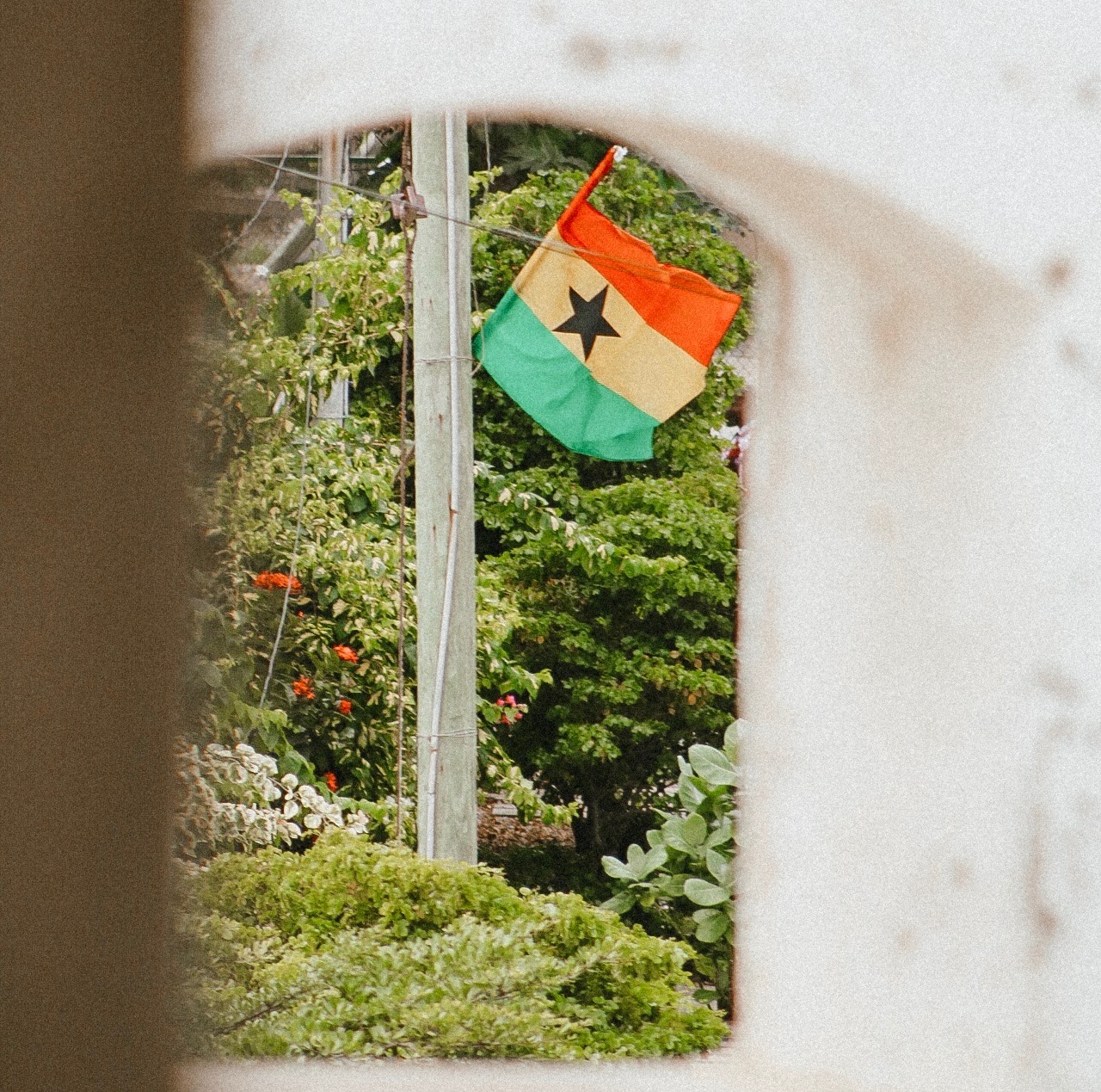
My time in Ghana was a mixed bag. There were days I was looking at chimps and anthropological artifacts, trying to grasp the horrors of enslavement, and exploring a village on stilts. Ghana was emotional. Ghana was inspirational.
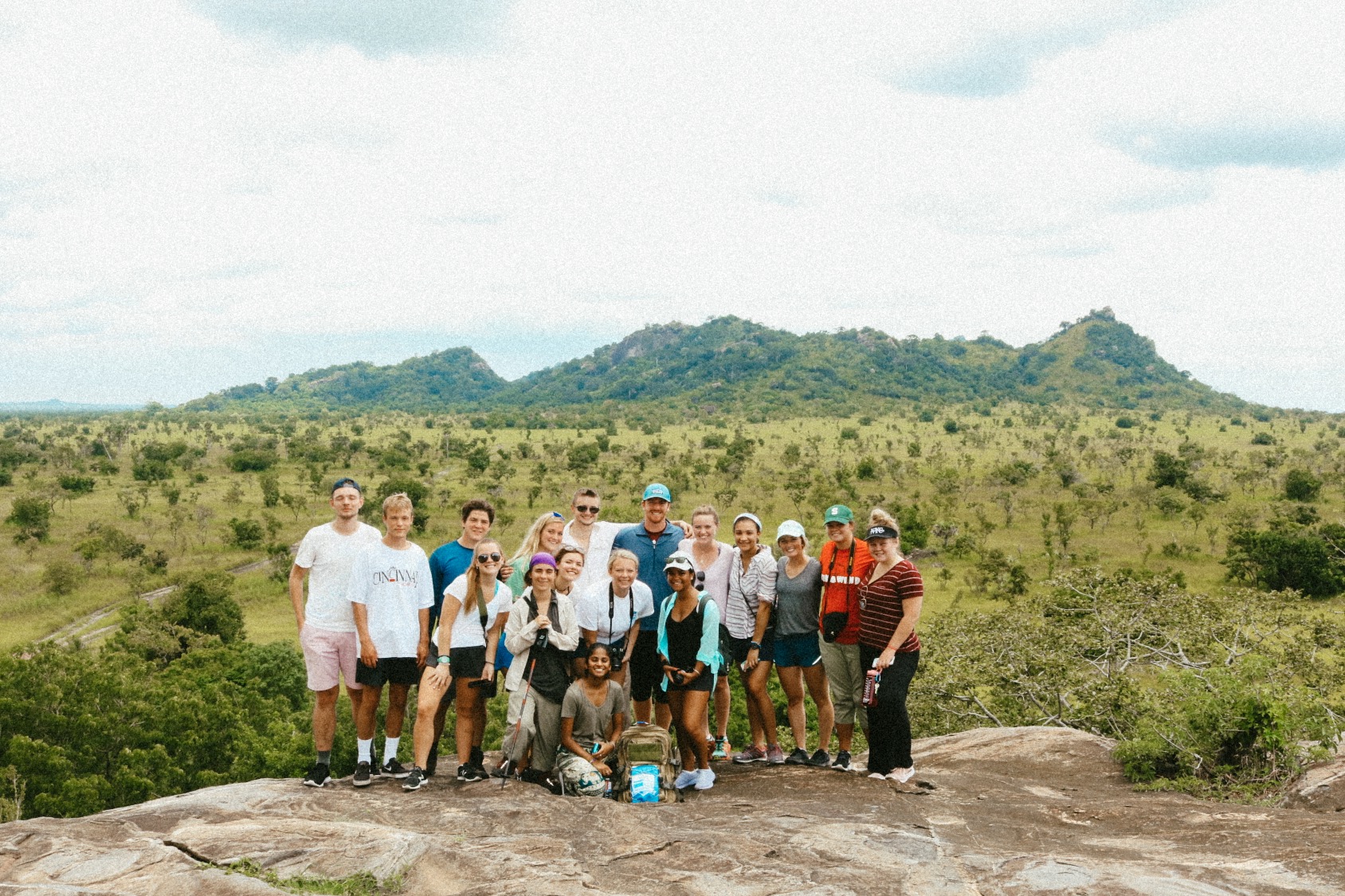
With my Human Origins and Variations class, I got to see wild chimpanzees in the beautiful Shai Hills just outside of Accra. We learned about the ancient Shai people and got to climb up to the site of their puberty right rituals.
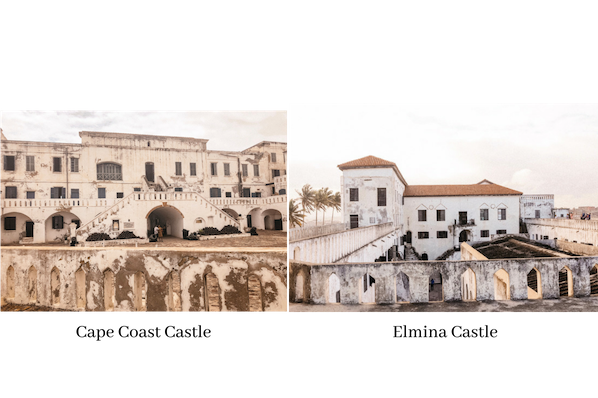
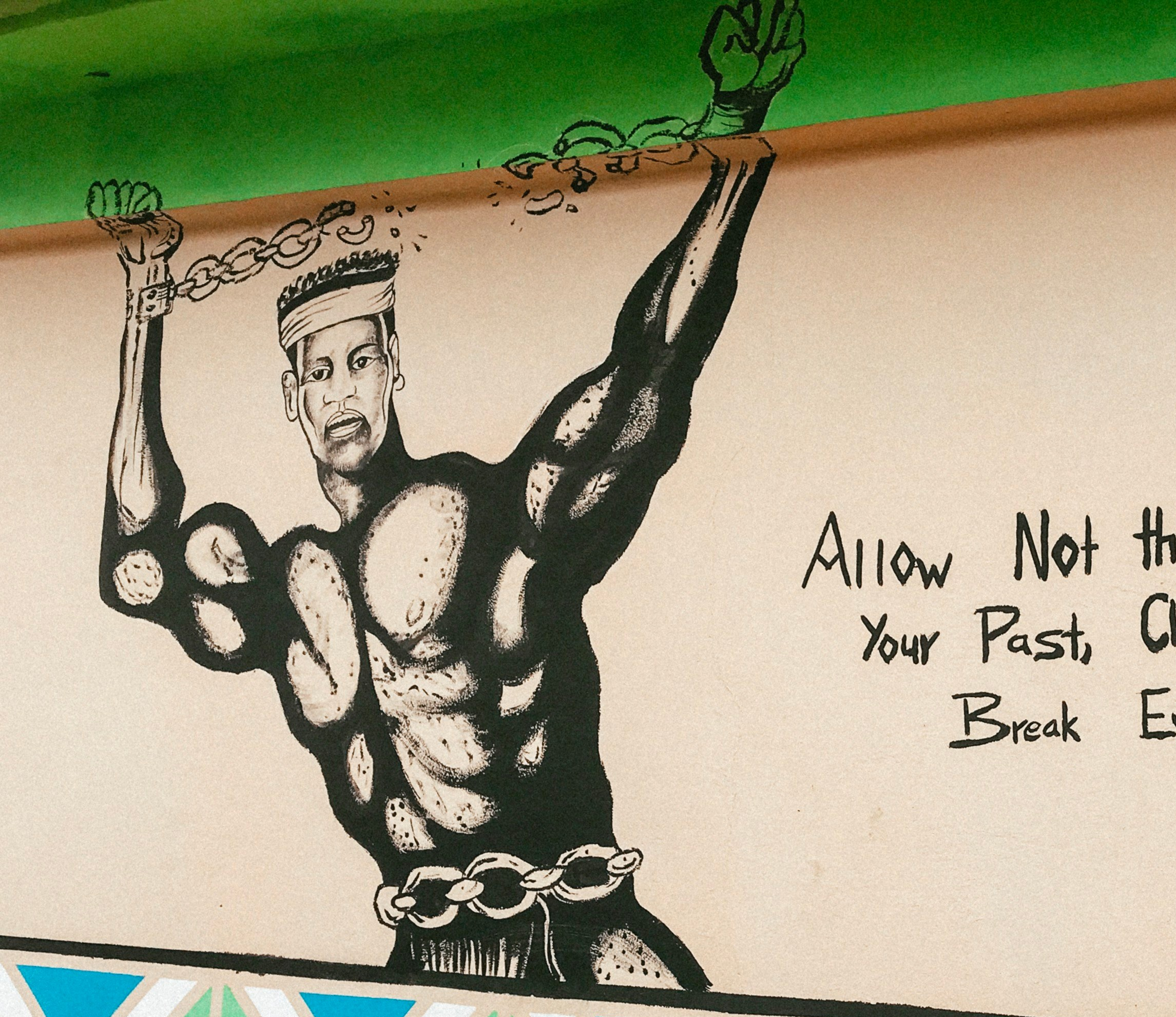
The hardest day in Ghana was visiting the slave castles. I visited both Elmina Castle and Cape Coast Castle. The guide led my tour into the male dungeons at Cape Coast. Once we were all in, he turned out the light. There was nothing but darkness. I could not even see my hand in front of me. To think of being in that room for days, weeks, months knowing myself I would not survive.
Elmina and Cape Coast Castles are the origins of the Transatlantic slave trade.
As a break from the seriousness of Ghana’s relationship with the Transatlantic Slave Trade, I visited Kakum National Park. My Friends and I followed our guide through the park’s canopy walk.
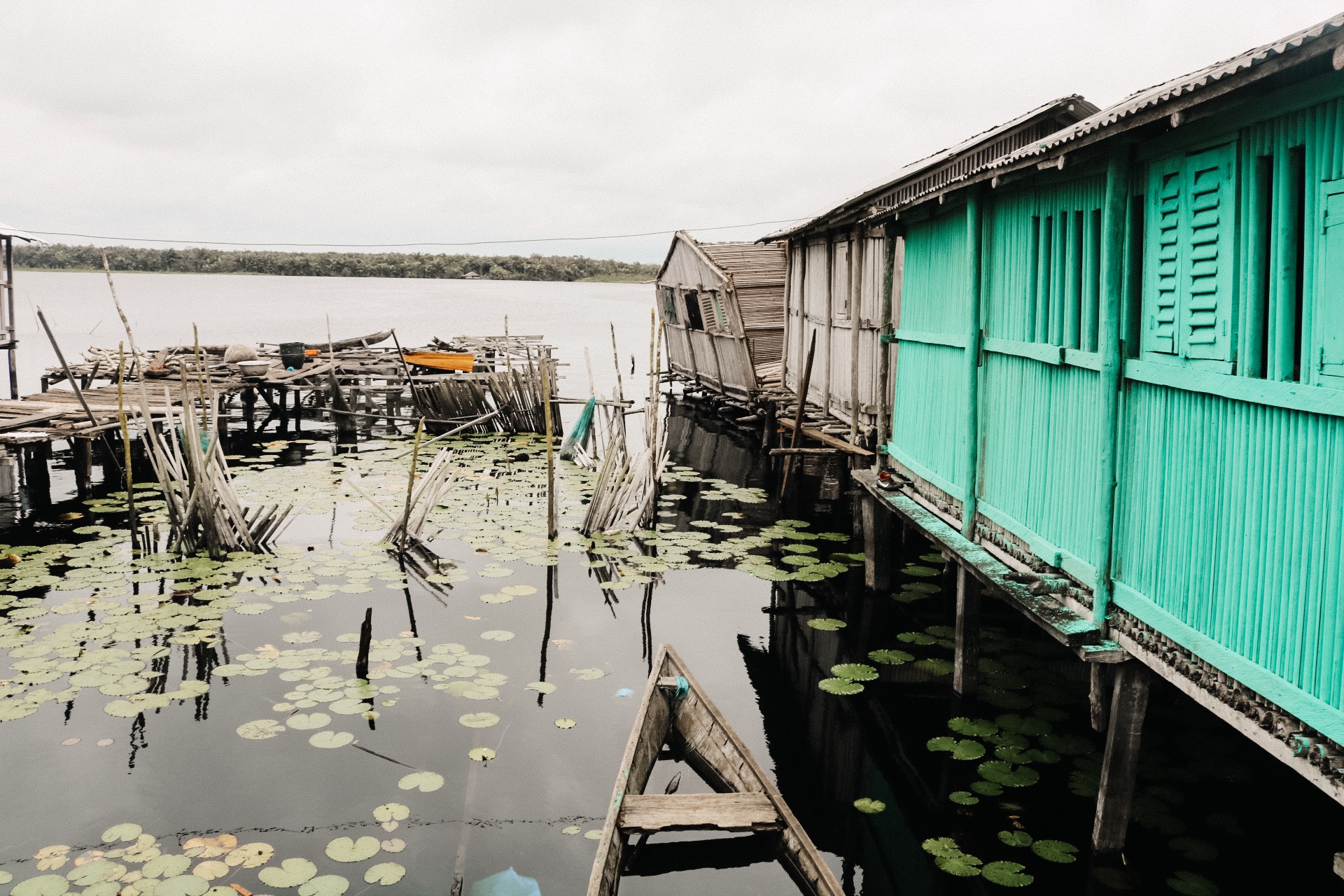
I spent my last day in Ghana at the Nuzaelu Water Village.
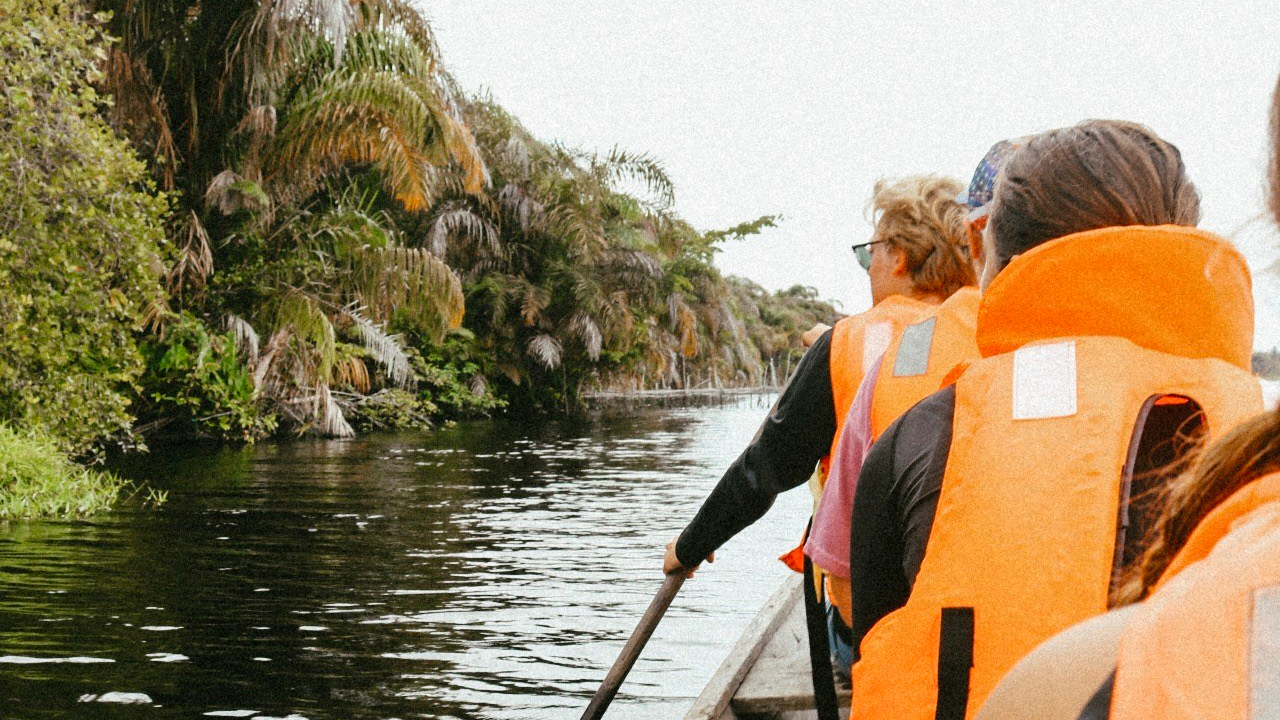
The ride there and back were beautiful. It was such a wonderful day with a bright sky above us. In order to get to the village, my friends and I had to row 3 miles. It took close to 45 minutes to get from our tour bus to the village. A man from the village steered our canoe and coached us on how to paddle in each section of the marsh.
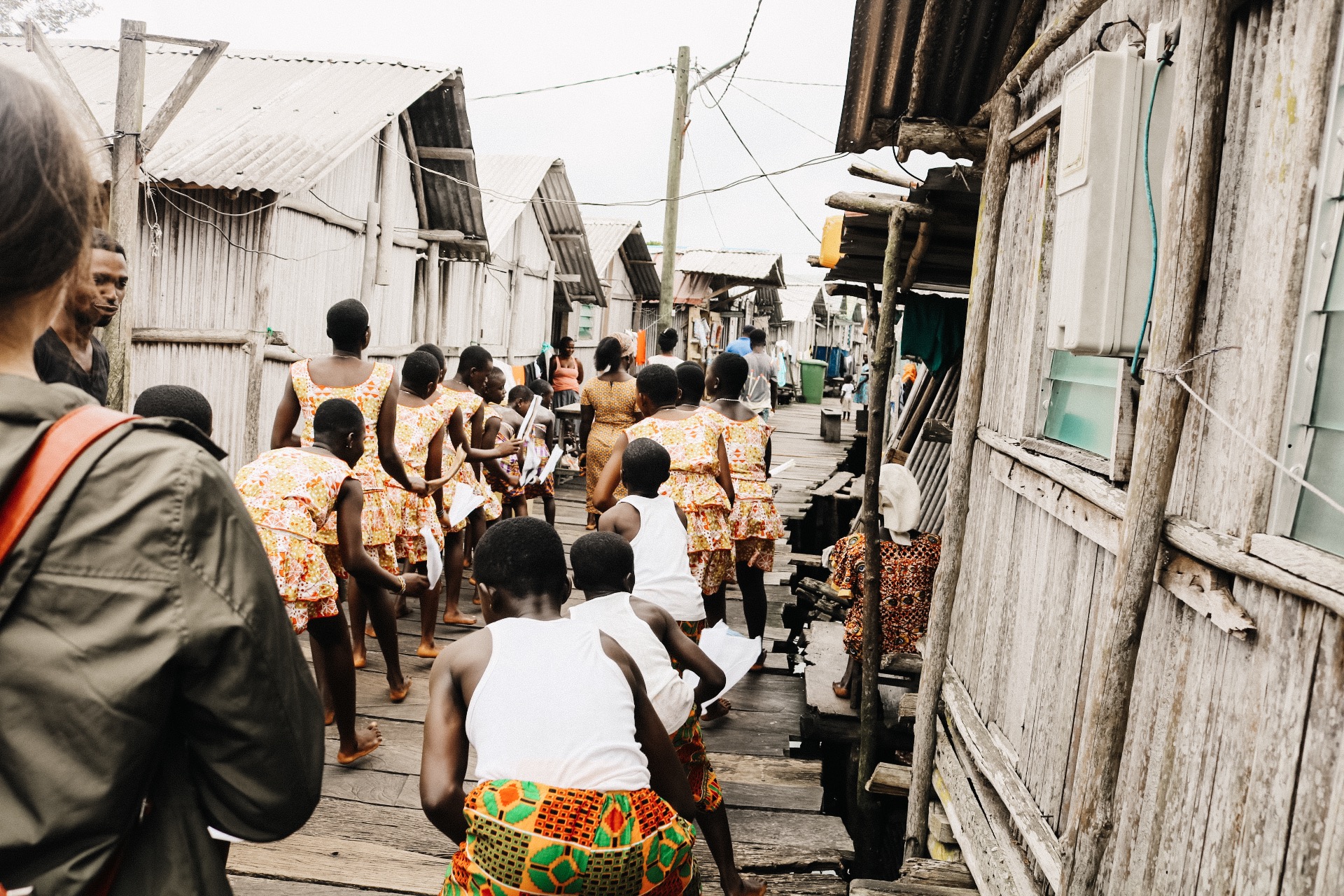
When we arrived, we were greeted by the school children. They led us to their schoolhouse. They danced and chanted the entire way there. They then performed different styles of traditional dances. The children were all so passionate about dance. I was easy to tell that dance is a vital piece of the culture of the Nuzaelu Water Village. Their chief introduced us to the village’s history. It was quite an experience. It was the first time I have ever felt truly different, like a complete outsider. The Nuzaelu people have lived this way for centuries. When one building falls they build it back up. The community is closely knit. It is a very small village so everyone knows each other. This visit was uncomfortable for many people on my tour. It was the first time we have had a child come up to us and want to feel our hair. There was only more of that curiosity to come.
 girlonthemove.travel.blog